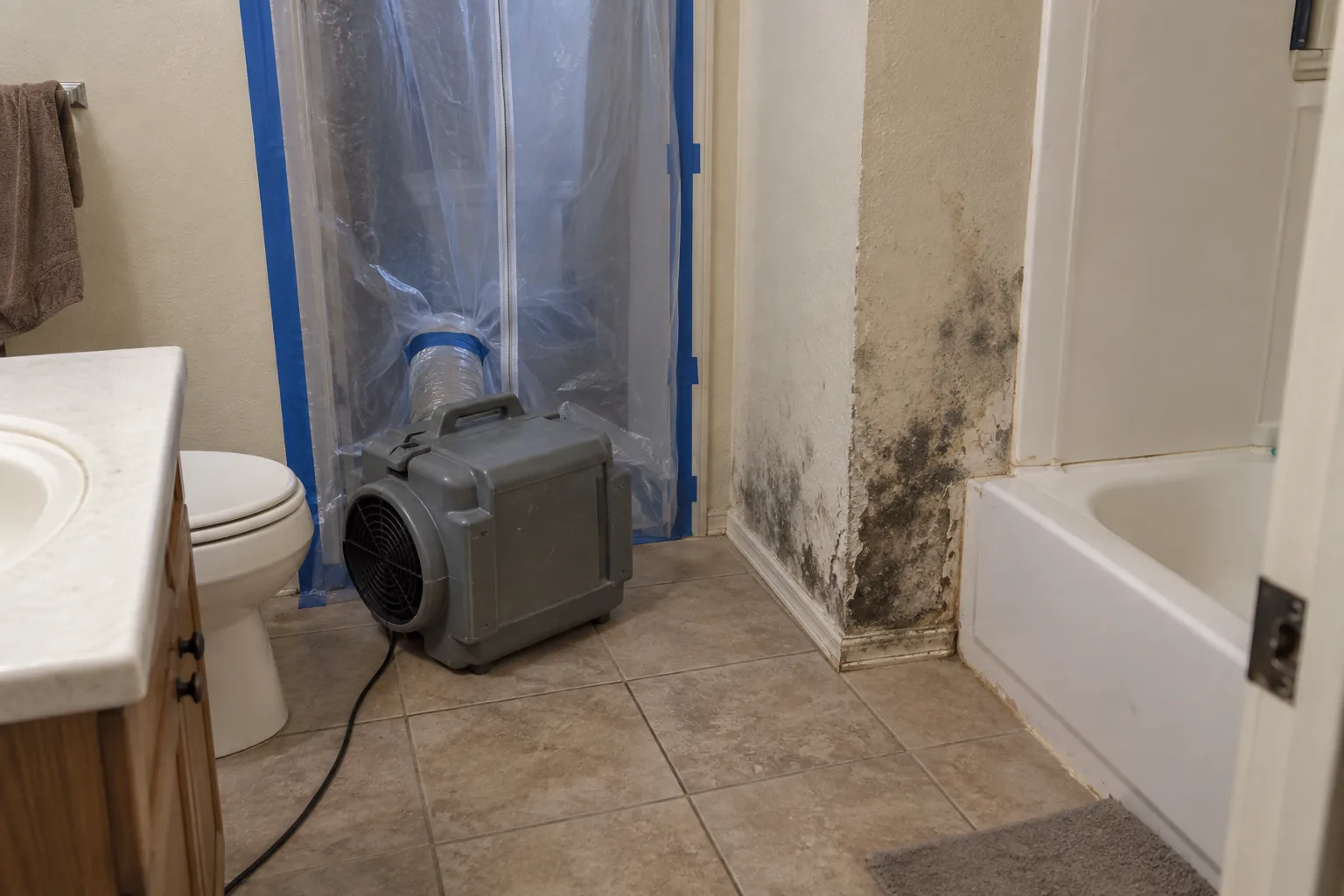
Mesa bathroom sealed with plastic sheeting, mould staining on the drywall beside the bath panel
Mold Service · Mesa, Arizona

Mold Removal Mesa AZ

Mold
Response
Mesa

Stop the spread, protect indoor air quality, and get a clear, written scope before work begins. Our Mesa team inspects the source, contains the area, removes contaminated material when needed, and verifies conditions so you can use the space again with confidence.

Moisture-focused inspection Containment and air control Material-based remediation Written scope
Start With the Moisture Source

Mesa mold removal that starts with the cause, not just the stain

If you are searching for mesa mold removal, you are usually dealing with one of two problems: visible growth that keeps coming back, or a musty smell after a leak, HVAC issue, or humid indoor conditions. Either way, mold is a moisture problem first. Scrubbing a surface without addressing the water source and containment can spread spores and leave you with the same issue a few weeks later.

Water Damage Mesa handles mold removal with a practical approach: inspect and document what is affected, isolate the work area, remove or clean materials based on whether they are porous or non-porous, and then dry the structure back to safe conditions. You will know what we found, what we recommend, and what we are not doing, so there is no confusion about scope.

Call Now (623) 323-8077
Containment and Cleanup

What mold removal involves (and what it should include)

A professional mold removal job is more than wiping down drywall. A complete scope typically includes:

  • A moisture-focused inspection. We look for plumbing leaks, roof or window intrusion, condensation patterns, and HVAC-related humidity that can keep feeding growth.
  • Containment and air control. For occupied homes, this often means plastic barriers, sealed returns or supplies in the work zone when appropriate, and negative air to keep spores from traveling.
  • Material-based remediation. Non-porous surfaces may be cleaned with appropriate antimicrobial methods, while porous materials like drywall, insulation, or carpet pad often need removal if contaminated.
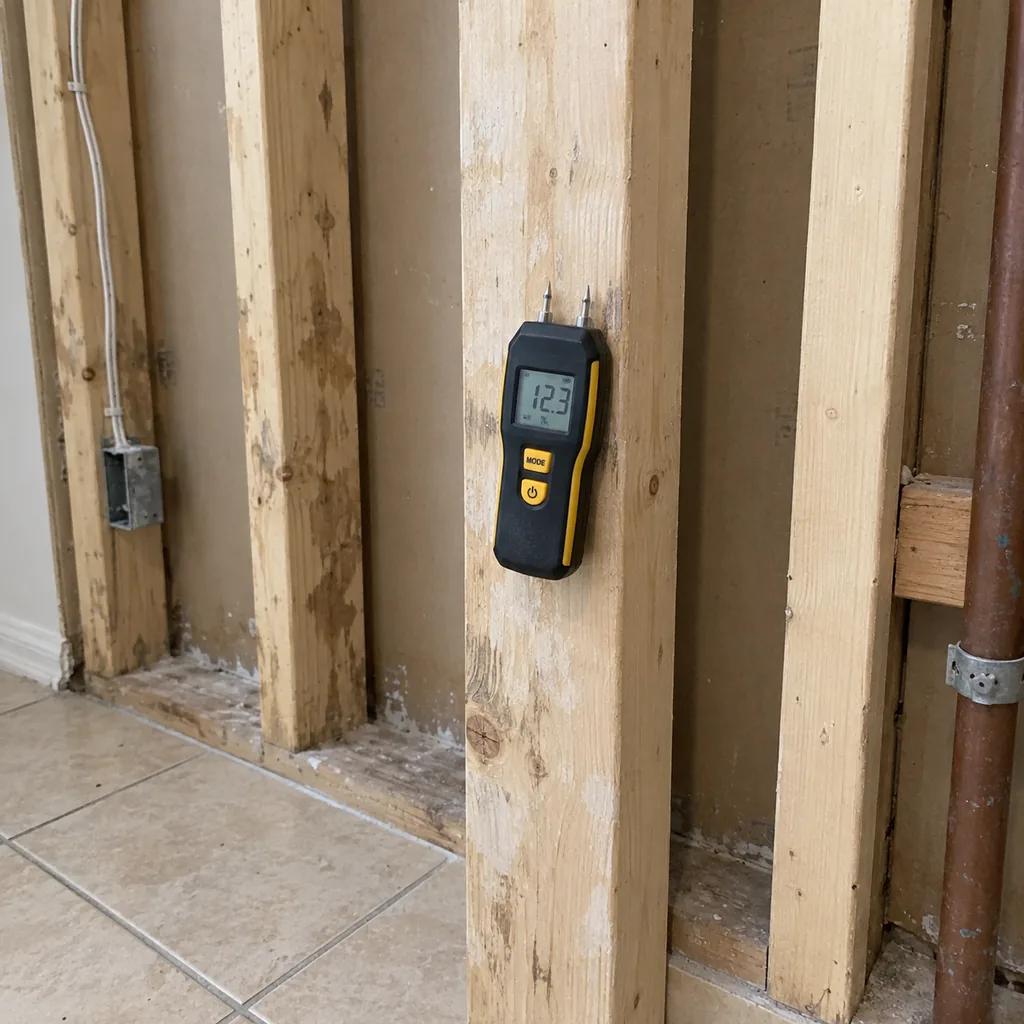
  • Source control and drying. Mold does not stop growing until the moisture is controlled. Drying targets are typically confirmed with moisture meters and, when needed, dehumidification.
  • Final cleanup. HEPA vacuuming and detailed wiping help remove settled particles so the space can be put back into normal use.

If you are also dealing with an active leak or a recent flood, stabilizing the structure first can prevent mold from getting worse. Many clients start by addressing immediate moisture conditions through water damage restoration.

Call Now (623) 323-8077
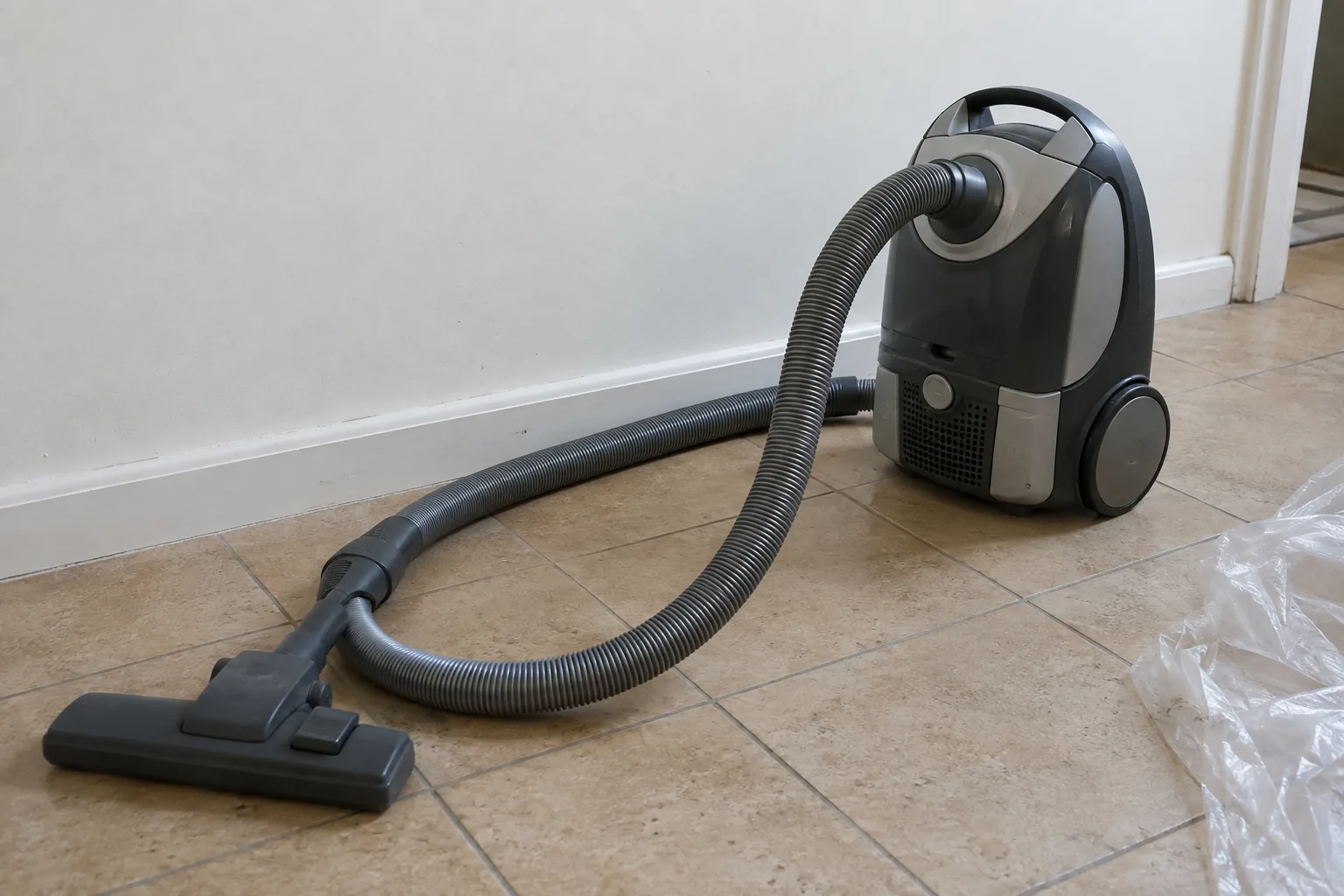
HEPA vacuum standing beside a baseboard on a tiled floor inside a contained work area
Common Problem Areas

Where we commonly find mold in Mesa homes and buildings

Bathrooms and laundry rooms

Recurring condensation, limited ventilation, and small leaks around supply valves or drains can feed growth behind vanities, around tubs, and at baseboards.
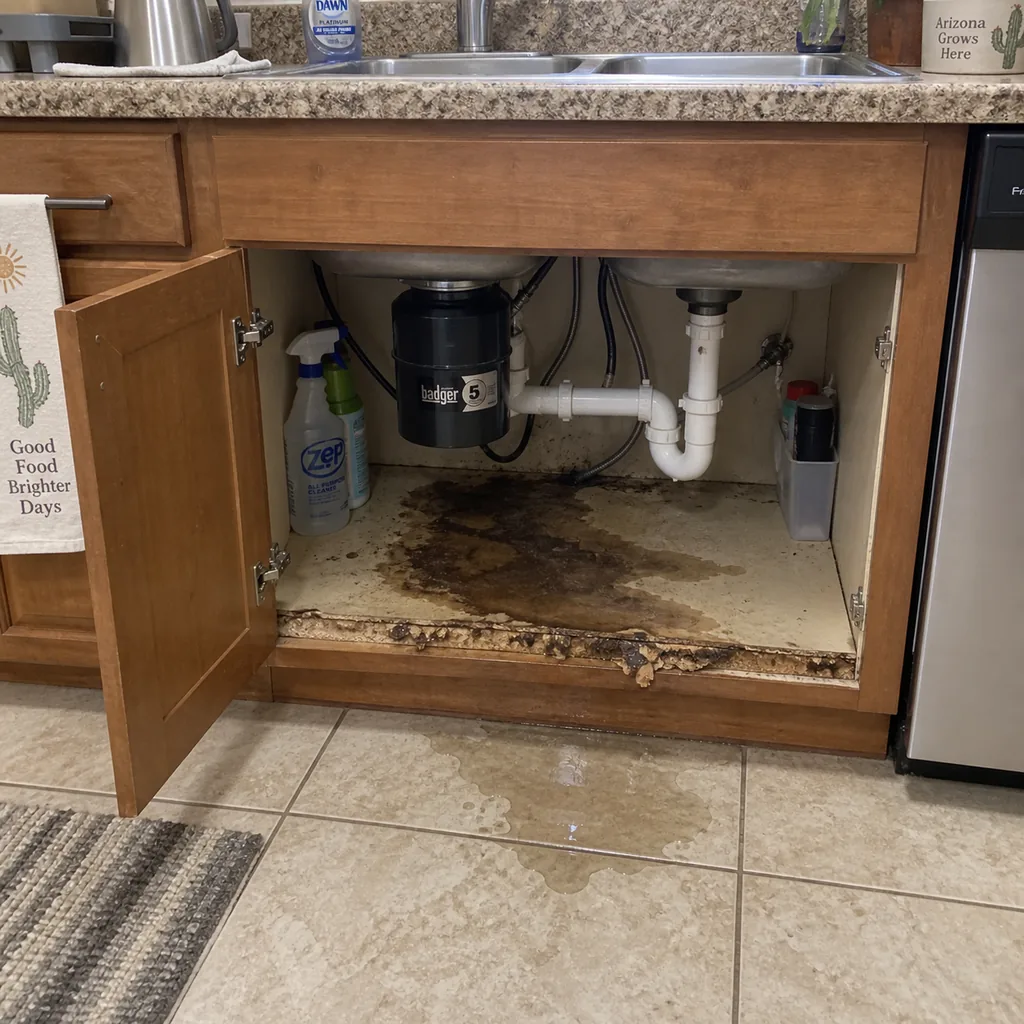
Kitchens and under-sink cabinets

Slow drips at shutoff valves, garbage disposals, or dishwasher lines can soak particleboard and drywall where damage stays hidden until odor or staining appears.

Bedrooms and living rooms near exterior walls

Window leaks or irrigation splash near exterior penetrations can wet framing and drywall, especially when the problem is intermittent and hard to spot.

HVAC closets and return-air areas

Condensate issues and high indoor humidity can lead to microbial growth on surrounding surfaces and in adjacent building materials.

Commercial back-of-house spaces

Storage rooms, break areas, and utility closets can develop problems after plumbing events when drying is delayed or airflow is limited.

Call Now (623) 323-8077
Contain
Remove
Verify
Controlled From Start to Finish

Our mold remediation process

Call Now (623) 323-8077
  1. 01

    Inspection and a written scope

    We identify affected materials, check moisture conditions, and talk through likely sources. You receive a clear plan that distinguishes cleaning from removal and rebuild-related items.

  2. 02

    Containment and safety setup

    We isolate the work area to limit cross-contamination. Depending on conditions, this can include plastic barriers, controlled airflow, and HEPA filtration.

  3. 03

    Removal and cleaning based on material type

    Porous, contaminated materials are typically removed and bagged out. Salvageable surfaces are cleaned using appropriate methods for the substrate.

  4. 04

    Drying and moisture control

    We address the moisture driver so mold does not return. Drying steps are tailored to the space and confirmed with moisture readings, not guesswork.

  5. 05

    Detailed cleanup and verification

    HEPA vacuuming and surface cleaning reduce residual particles. We review the finished area with you and outline next steps if any repairs are needed.

Scope Based on Site Conditions

How Much Does Mold Removal Cost in Mesa?

Mold removal in Mesa typically ranges from about $750 to $6,000+, depending on how many rooms are affected and whether contaminated porous materials such as drywall, insulation, or carpet pad need to be removed. A small, contained bathroom or under-sink area is often on the lower end, while multi-room growth with demolition and drying runs higher.

Final price depends on the square footage of affected material, how hidden the damage is, the level of containment needed, access such as attics or tight closets, and whether moisture control and drying equipment are required. The exact cost is confirmed after an on-site inspection and a written scope.
Call Now (623) 323-8077
Containment in the Field

Mold removal work: what good containment and cleanup look like

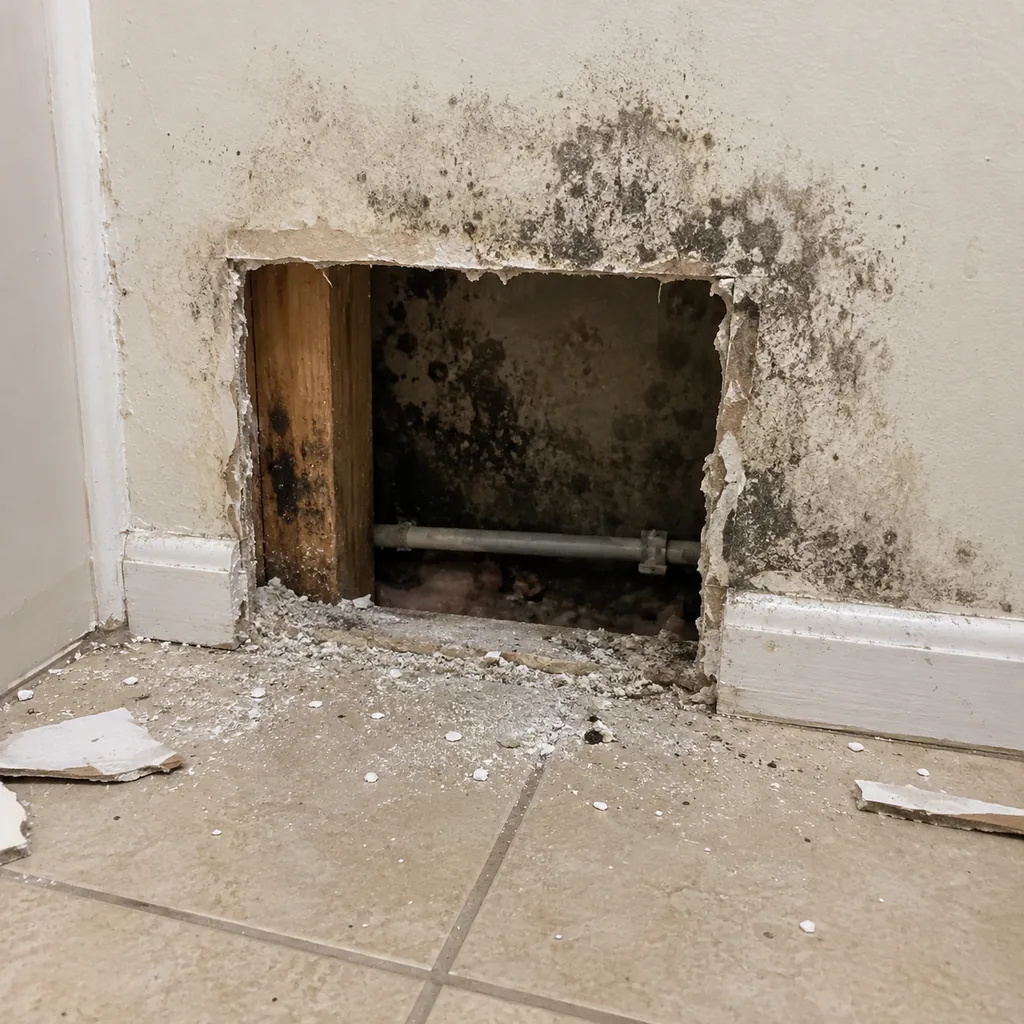
Section cut from a drywall wall with mould staining spreading around the opening
Moisture meter probes pressed into a cleaned wall stud during post-remediation checking
Open cabinet under a Mesa kitchen sink showing a damp stain and swollen board at the base
Call Now (623) 323-8077
Practical Answers

Mold removal FAQs for Mesa property owners

How fast can you start a mold removal job in Mesa?
Most mold situations start with a same-day or next-day inspection, then remediation is scheduled based on containment needs and how active the moisture problem is. If there is ongoing water intrusion or a plumbing leak, the first priority is to stop and dry the source conditions so the mold work is not undermined.
Do I need to leave the house during mold remediation?
Many small to mid-size projects can be completed while you remain in the home, as long as the work area can be isolated and you can avoid that space. If the affected area is a primary bedroom, the main bathroom, or the HVAC return path, temporary relocation can be the safer and more practical option until cleanup is finished.
Can you remove mold without tearing out drywall?
Sometimes, yes, but only when the affected material is non-porous or the contamination is limited to the surface and moisture is fully controlled. If drywall, insulation, or other porous materials are colonized, removal is often the correct approach because those materials cannot be reliably cleaned through their full depth.
What are the biggest factors that make a mold job more expensive?
Cost increases when growth is hidden behind cabinets, under flooring, or inside wall cavities, when stronger containment is needed to protect occupied areas, and when multiple rooms share the same moisture source. Access challenges, demolition, and extended drying time also add to labor and equipment needs.
How do you keep mold spores from spreading to other rooms?
Containment and filtration are the primary controls: isolating the work zone, using HEPA air filtration, and managing airflow so disturbed particles do not migrate. We also use careful removal and bag-out practices for contaminated porous materials and complete HEPA vacuuming as part of final cleanup.
Will mold come back after remediation?
Mold is far less likely to return when the moisture source is corrected and the affected materials are properly cleaned or removed. Recurrence usually happens when a slow leak, condensation pattern, or ventilation issue is still present, so we focus the inspection on identifying and documenting those conditions.
Inspect Before You Disturb It

If you are seeing staining, smelling a musty odor, or worried about a past leak, start with an inspection and a written plan so you know what needs to be removed, what can be cleaned, and what moisture issue must be fixed first.

Call Now (623) 323-8077
Start With a Written Scope

Get a clear mold removal plan for your Mesa property

Tell us what you are noticing and where it is showing up. We will schedule an inspection, explain the containment and removal approach, and provide a scope you can make decisions from.